
Digital Marketing for Small Business: A Complete Guide to Grow Online in 2026
Having a website or social media page is insufficient in the cutthroat market of today. To draw clients, establish credibility, and boost revenue, small businesses require a well-defined and effective digital marketing plan.
This comprehensive guide will answer all of your questions about how digital marketing for small businesses operates and how it can support your expansion.
Why digital marketing is important for small business
The majority of consumers in today’s digital world conduct internet research before deciding what to buy. They typically begin their search online, whether they are reading reviews, comparing products, or looking for a local service. For small businesses, digital marketing is now necessary rather than optional because of this.
Here are the main reasons why digital marketing is important for small businesses:
- Reach a targeted audience
- Generate high qualified leads
- Take on larger brands.
- Monitor performance in real time.
- Reduce costs and increase ROI
Even a small local business can rank on Google and consistently draw clients with the correct online marketing plan.
Key components of digital marketing for small business
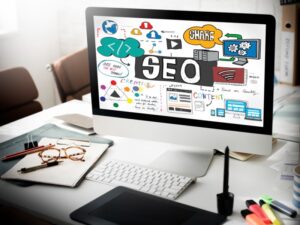
1. Search engine optimization (SEO)
SEO helps in ranking your website higher on the search engine result page. When a user searches anything related to your business, your website appears in the results. SEO is a organic way of marketing; you can grow your business without any high investment in marketing
Kew components of SEO
- keyword research
- on-page optimization
- Link building
- Technical SEO
- Local SEO
Local SEO is particularly effective for small businesses that target particular regions. High-quality leads that are prepared to convert can be generated by ranking for location-based keywords.
2. Content marketing
Content increases authority and trust. Customers view you as an authority in your field when you offer useful information.
Examples of content:
- Blog entries that provide information
- Examples of cases
- How-to manuals
- Newsletters via email
High-quality content draws in organic traffic and increases the visibility of your website.
3. Social media marketing
Social media marketing helps small businesses to promote their business through online platforms like Instagram, Facebook, LinkedIn, and Twitter. It allows businesses to directly engage with customers.
Social media marketing benefits include
- Enhanced recognition of the brand
- Interaction with customers
- Building a community
- Opportunities for paid advertising
Consistency and value-driven content, as opposed to sporadic posting, are crucial.
4. Pay-Per-Click Advertising (PPC)
PPC is a paid digital marketing method of advertising. Google Ads provides you with immediate traffic. You only have to pay when an ad is clicked.
It is ideal for:
-
New companies
-
Time-limited deals
-
Quick generation of leads
PPC and SEO work together to produce a potent marketing plan.
5. Email marketing
For small businesses, email marketing continues to be one of the most effective channels.
It benefits you:
Nurture comes first.
Advertise deals
Keep your current clientele
Create enduring connections
Maintaining connectivity without constant manual labor is made simple by automation tools.